
In the vibrant, rhythm-filled world of dance, the role of shoes and floor surface is often overlooked, yet it profoundly impacts the experience of Bachata, a dance form that originated in the lively streets of Latin America. Bachata classes Toronto have become a cultural hub for dancers seeking to master this expressive and sensual style. However, the transition from learning the basics to navigating advanced techniques can be hindered by factors as simple as floor condition and footwear choice. This article examines the intricate interplay between shoes, dance floor conditions, and the evolution of one's Bachata skills, offering insights that can elevate the learning experience for dancers in the Toronto dance scene and beyond.
- Understanding Bachata: The Rhythm and Steps
- Choosing the Right Shoes for Bachata
- Floor Techniques: Enhancing Your Bachata
- Bachata Classes Toronto: Getting Started
- Advanced Tips: Refining Your Bachata Movement
Understanding Bachata: The Rhythm and Steps
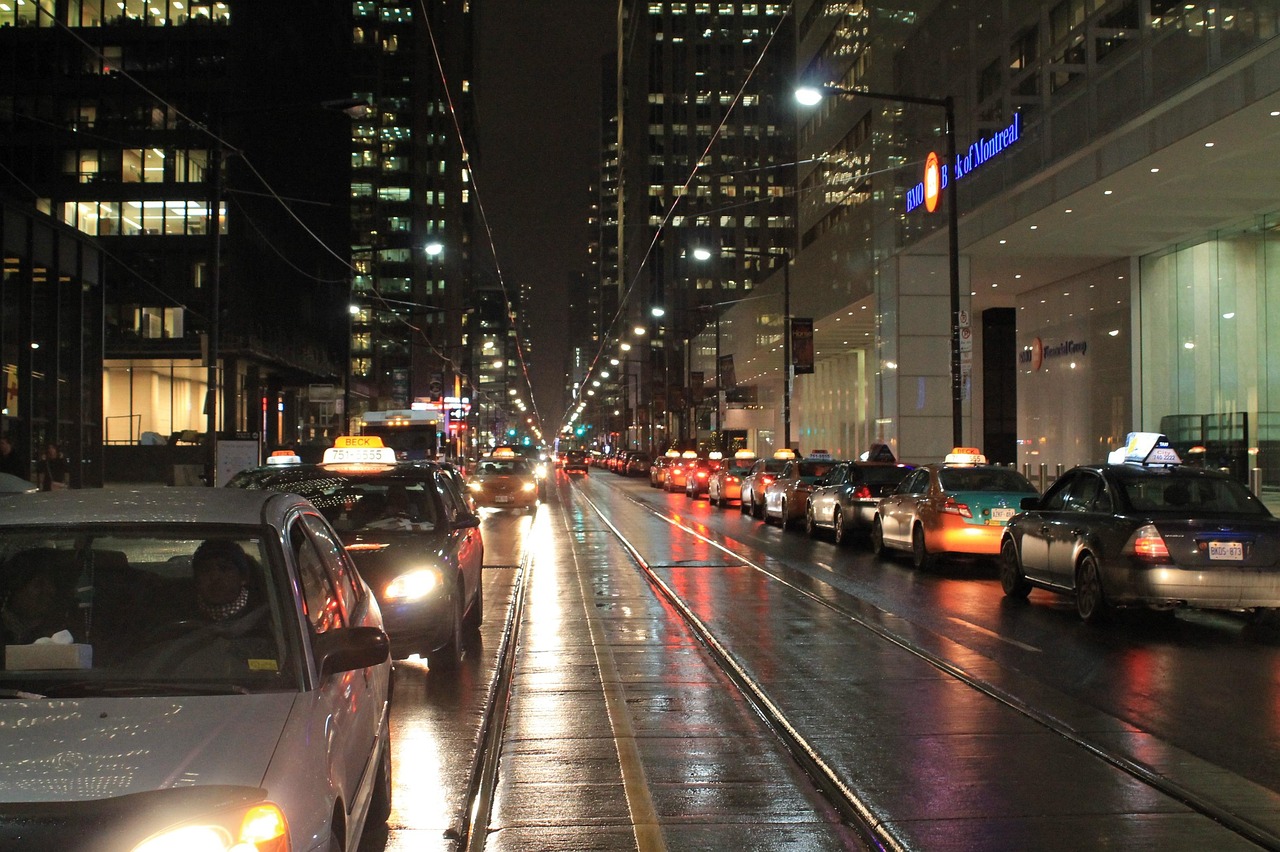
In the rhythmic heart of Toronto, near Queen and Woodbine, bachata classes have become a vibrant thread weaving through the city's diverse cultural mix. This lively dance form, born in the Dominican Republic, has captivated dancers across the globe with its sensual, hip-swinging movements set to a captivating, syncopated rhythm. Understanding bachata involves more than just mastering the steps; it's about embracing the rhythm and letting it guide your body through a dance that tells a story.
The key to mastering bachata lies in its unique rhythm and timing. Unlike many dance styles that rely on a steady, four-beat pattern, bachata incorporates intricate syncopation, with emphasis on the off-beats. This creates a dynamic, loping motion that is both inviting and challenging. In bachata classes Toronto, students learn to feel this rhythm internally, using it as a compass to navigate the dance floor. The basic step, known as the "corte," involves a series of quick, small steps and hip swings, each executed with precision and fluidity. This fundamental step is the building block for more complex moves, allowing dancers to weave intricate figures and create a mesmerizing flow with their partners.
Bachata classes in the East York area, such as those offered at Ashbridges Bay Park, often emphasize the evolution of the dance, from its traditional roots in the Dominican Republic to its modern, global variations. Students learn both traditional and contemporary bachata styles, gaining a deep appreciation for the dance's rich history and its ongoing transformation. Traditional bachata focuses on a close connection between partners, with intricate footwork and sensual hip movements, while modern bachata incorporates more freestyle elements, allowing for greater creativity and individual expression. By understanding these different styles, dancers can adapt and evolve their moves, contributing to the dance's ever-changing landscape.
Choosing the Right Shoes for Bachata
Choosing the correct shoes for Bachata dancing is a crucial investment in your comfort, performance, and overall enjoyment of the art form. In Toronto, with its diverse dance scene, from Bachata classes in South Riverdale to those in East York, the right footwear can transform your dancing experience. The key is finding shoes that offer both support and flexibility, allowing you to move with ease and precision.
For Bachata, a style of dance that originated in the vibrant Latin American culture, specialized shoes are not just preferred, they're essential. Unlike Zumba or even modern Salsa, Bachata places a strong emphasis on footwork and intricate steps that require a specific type of footwear. Traditional Bachata dancers often opt for shoes with a flat or slightly elevated heel, a wide toe box, and a sticky rubber sole. These characteristics provide the necessary traction and agility on various dance floors, whether it's at a local community center or a bustling beach ballroom (1501 Queen St. E.) in Toronto.
When selecting Bachata shoes, consider the material. Leather is a popular choice due to its breathability and ability to conform to your feet over time. Suede and canvas are also viable options, offering a balance between comfort and durability. Avoid shoes with excessive padding or a stiff sole, as these can hinder your ability to feel the floor and execute complex steps. Remember, the dancing environment plays a role too; if you frequently attend outdoor events in places like Withrow Park, water-resistant or quick-drying shoes may be beneficial. The goal is to find a pair that complements your dancing style and the diverse floors you might encounter in the vibrant Toronto dance scene.
Floor Techniques: Enhancing Your Bachata

The floor, a dynamic element in any dance, becomes a canvas for intricate footwork in Bachata. As you navigate the smooth, wooden surface, your shoes become an extension of your body, guiding you through the fluid, rhythmic movements. In Bachata classes Toronto, instructors often emphasize the subtle adjustments in floor technique that can elevate your dancing. This involves a nuanced understanding of body alignment, foot placement, and the subtle art of transferring weight.
In the heart of Toronto, venues like Woodbine Park and Leslie Street Spit serve as vibrant backdrops for Bachata enthusiasts. Here, dancers refine their skills, experimenting with different floor techniques. One key aspect is the "crab" step, a fundamental movement where you slide your feet sideways, allowing for intricate foot patterns and dynamic changes of direction. This technique, often practiced in isolation, requires precision and control. Imagine a series of quick, sideways slides, each step precise and controlled, creating a mesmerizing visual as you navigate the space.
Advanced Bachata techniques examine deeper into floor work, incorporating elements from other Latin dances like Salsa and Tango. Dancers learn to use the floor to communicate emotion and rhythm, interpreting the music through their movements. The instructors in Bachata classes Pape Village, for example, often encourage students to explore the music's narrative, using the floor to enhance storytelling through dance. This involves recognizing the emotional beats in the music and translating them into physical expressions, creating a powerful and engaging performance.
In Ontario, the focus on technical precision in Bachata has grown, reflecting a global trend in dance education. Dancers are encouraged to break down complex moves, understanding the mechanics behind each step. This analytical approach, combined with regular practice sessions, allows for consistent improvement. Whether in a class or a private setting, mastering floor techniques requires dedication and a willingness to explore the subtle nuances of movement. By embracing these small adjustments, Bachata dancers in Toronto can elevate their art, creating performances that captivate audiences.
Bachata Classes Toronto: Getting Started
Starting your journey into the vibrant world of Bachata in Toronto? You're in for a treat. The city's rich cultural mix is adorned with vibrant dance scenes, and Bachata, with its sensual rhythms and flowing movements, has found a welcoming home in the East End. The Beach Ballroom, situated at 1501 Queen St E, offers an immersive experience for both beginners and seasoned dancers.
Choosing the right class is essential. In Toronto, Bachata classes are abundant, catering to a diverse range of learners. Consider your experience level and goals when selecting a class. If you're a complete novice, look for "Bachata Basics" courses in areas like Glen Stewart Ravine or North Riverdale, where instructors break down complex steps into digestible chunks. These foundational classes teach the core elements of Bachata, from basic footwork to partner work, ensuring a solid grasp of the dance before progressing to more advanced techniques.
As you become more comfortable, explore classes that examine the social and performance aspects of Bachata. South Riverdale boasts several advanced classes that focus on refining your dancing in a social setting, teaching you to connect with your partner and adapt to the music's evolving rhythms. These classes often include tips on navigating crowded dance floors and maintaining a respectful and engaging presence, enhancing your overall Bachata experience. Remember, the beauty of Bachata lies in its social nature, so embrace the opportunity to meet fellow enthusiasts and share the joy of movement.
Advanced Tips: Refining Your Bachata Movement

In the intricate world of Bachata, refining your footwork and body movement is akin to sculpting a masterpiece with every step. As you advance from the basics, small adjustments can dramatically transform your dancing. Imagine smoothly gliding across the floor, each step precise and elegant-this is the power of mastering advanced Bachata techniques. The key lies in the subtleties: the way your feet connect with the floor, the timing of your hip movements, and the fluidity of your arm gestures.
Consider the bachata classes woodbine corridor and learn bachata Toronto offerings at venues like Balmy Beach Club. Experienced instructors often emphasize the importance of feeling the music. Bachata, with its rich Latin American roots, is not just about steps; it's about conveying emotion and storytelling through movement. A skilled dancer might demonstrate how a subtle shift in weight can add depth to a turn, or how a quick foot tap can express excitement. These nuances are what set apart a good dancer from a great one.
At Beach Ballroom - 1501 Queen Street East, a common focus in advanced classes is on improving control and body isolation. Dancers learn to move each part of their body independently, creating a dynamic yet controlled performance. This involves practicing intricate footwork while maintaining a strong core, allowing for intricate turns and smooth transitions. For a dancer, achieving this balance is crucial for showcasing their skill and creativity.
The journey from beginner to advanced Bachata involves continuous practice and a keen eye for detail. Each small adjustment, from the rise and fall of your heel to the rotation of your hips, contributes to a more refined and captivating dance. Remember, it's not just about learning steps; it's about discovering your unique expression within the art form.
Frequently Asked Questions About Shoes and Floor Small Things That Change Bachata
What is Bachata, and how does it relate to shoes and floors? Bachata is a vibrant, danceable Latin music genre that originated in the Dominican Republic. Its rhythm and style have influenced dance floors worldwide, including those at the Beach Ballroom at 1501 Queen St E in Toronto. When we talk about "small things that change" in the context of Bachata, we refer to the subtle adjustments in footwork, rhythm, and floor interaction that can transform a basic dance into a captivating performance. Shoes play a crucial role by providing the dancer's connection to the floor, affecting both comfort and the ability to execute these changes.
How do I choose the right shoes for Bachata dancing? The right shoes are essential for Bachata dancing. Look for comfortable, well-fitting shoes with good grip and support. Sneakers or dance shoes designed for Latin styles are ideal. Avoid shoes with smooth soles, as they can cause you to slip on the dance floor. Remember, the surface at venues like Beach Ballroom is typically smooth, requiring shoes with adequate traction.
Can I use regular street shoes for Bachata dancing? While street shoes might be convenient, they are not always ideal for Bachata dancing. Regular shoes often lack the necessary grip and support for quick, fluid movements. This can lead to discomfort and even injuries. Dedicated dance shoes are designed to enhance your performance, provide stability, and allow for the intricate footwork characteristic of Bachata.
What floor surface is best for Bachata dancing? Bachata dancing is typically performed on smooth, polished floors, like those often found in dance halls and venues like Beach Ballroom. This surface allows for a free flow of movement and facilitates the precise footwork and turns characteristic of the dance. Avoid slippery surfaces, as they can increase the risk of accidents.
How does music influence the choice of shoes and floor preparation? Music is a guiding force in Bachata dancing, dictating the pace, rhythm, and style of movements. The type of music you choose can influence your shoe selection. Faster-paced Bachata may encourage more agile, high-top shoes for added support, while slower, romantic tracks might call for sleek, low-profile shoes to showcase intricate footwork. Floor preparation also adapts to the music, with smoother surfaces for romantic ballads and slightly rougher textures for more energetic pieces.
What are some advanced shoe techniques used in Bachata dancing? Advanced Bachata dancers often employ specific shoe techniques to enhance their performance. This includes using the shoe's heel to create unique sounds and rhythms, known as "heel work," as well as intricate toe points and side-to-side foot movements. These techniques require specialized shoes that allow for precise control and flexibility, often featuring customizable insoles for a personalized fit.
Can I practice Bachata dancing at home without special shoes? While you can practice basic Bachata steps at home without specialized shoes, it's recommended to invest in suitable dance shoes once you're more comfortable with the dance. Home practice allows you to focus on learning the rhythm and movements without the added pressure of floor surface or shoe friction. Once you're ready, dedicated Bachata dance shoes will significantly improve your experience and performance at venues like Beach Ballroom.
Mastering Bachata involves a holistic approach, from understanding its rhythmic foundation and basic steps to choosing the right footwear and mastering floor techniques. The article has demystified these elements, offering practical insights into what makes Bachata so captivating. The emphasis on floor work and the subtle adjustments in footwork can dramatically transform your dance experience. Whether you're a beginner in bachata classes Toronto or an advanced dancer seeking to refine your technique, the key lies in consistent practice and a deep appreciation for the music.
By incorporating advanced tips and techniques, you can elevate your Bachata from good to great. Regular participation in bachata classes Toronto provides a vibrant community environment where you can learn from experienced instructors and share your passion with others. Continue to challenge yourself, explore the evolution of dancing styles, and embrace the cultural richness of Bachata, both in the classroom and on the dance floor.
In Toronto, bachata classes thrive in vibrant community centers and cultural hotspots like Balmy Beach Club and the Beach Ballroom. Mastering this dance involves understanding its unique rhythm, emphasizing off-beats, and developing intricate footwork. Classes in East York and South Riverdale offer a blend of traditional and modern styles, allowing dancers to explore the dance's rich history and evolving global variations. The right shoes, with flat or slightly elevated heels and sticky rubber soles, are crucial for comfort and agility. Floor technique, from the "crab" step to advanced isolations, is refined through dedicated practice, enhancing storytelling and emotional expression. Beginners should start with basics courses, then progress to social and performance-focused classes, ultimately sculpting a captivating Bachata experience.